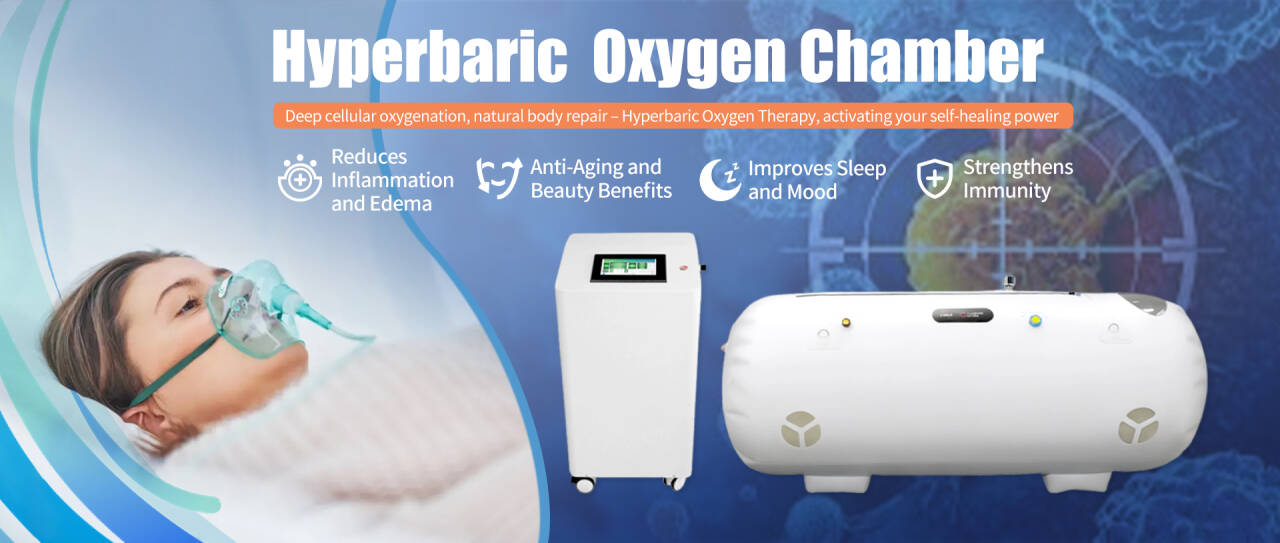
In 2026, the conversation around health and wellness is no longer dominated by quick-fix detoxes or diet trends. Instead, the focus has shifted toward high-performance hardware, scientific longevity, and cellular recovery. At the center of this paradigm shift is Hyperbaric Oxygen Therapy (HBOT) — a non-invasive medical technology that has successfully bridged the gap between specialized clinical treatment and mainstream biohacking.
A New Era for Cellular Medicine
Originally developed to treat deep-sea divers suffering from decompression sickness, HBOT involves breathing near-100% medical-grade oxygen inside a pressurized chamber at levels typically ranging from 2.0 to 3.0 atmospheres absolute (ATA). Under these conditions, oxygen dissolves directly into the blood plasma, bypassing the limitations of red blood cell transport to reach oxygen-starved tissues and trigger profound regenerative responses at the cellular level.
If 2025 was the year people began “trying” longevity, 2026 is the year the industry is mastering it, and the hyperbaric chamber has become the crown jewel of this movement.
Peer-Reviewed Breakthroughs: What the Latest Science Says
The narrative surrounding HBOT has evolved significantly, fueled by a surge of high-impact, peer-reviewed clinical studies published within the last 12 months. No longer viewed solely as a treatment for chronic wounds, recent research highlights the therapy’s potential to address some of the most pressing health challenges of our time.
For Long COVID: As millions continue to suffer from lingering neurological fatigue and cognitive impairments post-infection, a 2026 MDPI review analyzing 21 studies concluded that HBOT can significantly improve quality of life, fatigue, cognition, neuropsychiatric symptoms, and cardiopulmonary function. The therapy appears to lower oxidative stress and chronic inflammation, offering a scientifically sound approach to a condition that has eluded easy treatment.
For Traumatic Brain Injury (TBI): A massive new double-blind randomized controlled trial (RCT) protocol published in Trials in March 2026 is set to enroll 420 veterans and service members. The study aims to definitively assess whether HBOT at 2.0 ATA can reduce chronic neurobehavioral symptoms that persist long after mild to moderate TBI. Concurrently, a 2025 double-blind RCT demonstrated that 40 sessions of HBOT significantly improved neurobehavioral symptoms, anxiety, and sleep difficulties in adults with persistent post-brain injury symptoms compared to sham controls.
For Immune Health: In a systematic review published in Frontiers in Immunology in March 2026, researchers outlined that HBOT does more than just push oxygen—it actively modulates immune effector responses. The study found that HBOT can expand regulatory T cells while suppressing inflammatory pathways, offering a unified framework for how the therapy manages everything from autoimmune conditions to hyperinflammatory states.
For Cardioprotection: A systematic review published in Cureus in April 2026 analyzed five clinical studies comprising 431 patients. The evidence suggests HBOT may exert significant cardioprotective and anti-inflammatory effects, reducing CPK levels by up to 35% in acute myocardial infarction cases and improving left ventricular ejection fraction.
The Athlete’s Secret Weapon
In the high-stakes world of sports medicine, the data is becoming undeniable. A four-week RCT published in the European Journal of Applied Physiology found that combining sprint interval training with low-dose HBOT yielded synergistic benefits for anaerobic power, with peak power increasing 21.6% compared to 11.9% in the training-only group. Meanwhile, a landmark double-blind RCT on middle-aged master athletes (ages 40-50) demonstrated that 40 HBOT sessions significantly improved VO₂max (effect size 0.99) and increased mitochondrial mass by 17%.
Market Growth and Regulatory Clarity
The global appetite for HBOT is reflected in hard economic data. The Hyperbaric Oxygen Therapy Devices Market is valued at USD 5.3 billion in 2025 and is projected to grow at a CAGR of 8.5% to reach USD 11.1 billion by 2034. This growth is driven by technological innovations such as portable HBOT units, integrated digital health monitoring systems, and a surge in outpatient clinic installations across North America and Europe.
Simultaneously, regulatory frameworks are catching up to ensure safety. While the FDA continues to classify hyperbaric chambers as Class II medical devices requiring 510(k) clearance for medical claims, recent bipartisan legislative efforts in states like Michigan aim to license non-hospital-affiliated wellness centers to ensure industry safety standards.
From Medical Treatment to Lifestyle Optimization
What truly distinguishes 2026 is the mass adoption of HBOT by the general population, not just the critically ill. At MD Hyperbaric, the therapy is now routinely used to support anti-aging, mental clarity, and physical recovery by addressing health at its cellular foundation. The therapy’s ability to combat “inflammaging”—the chronic low-grade inflammation that drives age-related decline—is a key selling point for longevity enthusiasts. Furthermore, a retrospective longitudinal study of 395 patients demonstrated that 60 HBOT sessions significantly improved sleep quality across aging, long COVID, and PTSD populations, with the greatest benefits seen in those with the poorest baseline sleep.
Looking Ahead: The Future of HBOT
As 2026 progresses, the trend points toward hyper-personalization. The integration of IoT and digital sensors into HBOT chambers is allowing for real-time data tracking and remote supervision, moving the industry away from generic “one-size-fits-all” protocols and toward precision medicine. Additionally, clinical trials are actively recruiting to evaluate HBOT for 45 emerging indications, from chronic fatigue syndromes to mental health therapy.
While critics rightly note that HBOT is time-consuming and expensive compared to traditional metabolic health habits, the convergence of celebrity endorsement, rigorous scientific validation, and technological accessibility has cemented its status as the premier wellness technology of 2026. Whether for healing a traumatic brain injury, recovering from a marathon, or simply slowing the biological clock, breathing pressurized oxygen is no longer science fiction—it is a powerful reality of modern medicine.