


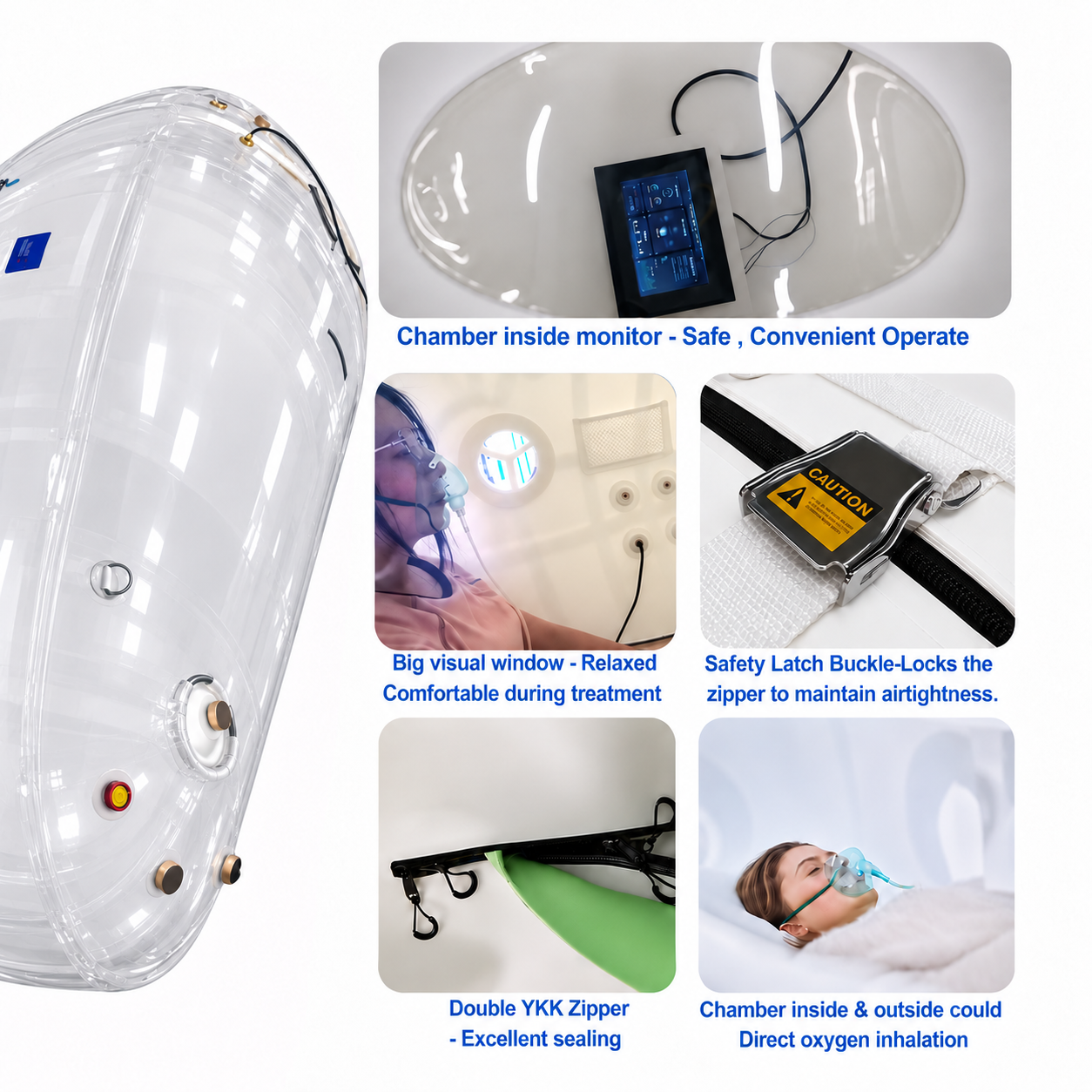
MBS Hyperbaric Oxygen Chamber
MBS Hyperbaric Oxygen Chamber is distinguished as a leading choice among hyperbaric chambers
worldwide.
The MBS Hyperbaric System is powerful, cutting-edge system that integrates patented components with
advanced functionalities. The entire technical system ensures the delivery of highly efficient and
customizable HBOT treatment protocols, tailored to specific needs.
MBS Hyperbaric Oxygen Chamber is purposefully designed to cater to wellness facilities, spas, private
clinics, aesthetic clinics, sports clubs, and companies prioritizing employee well-being, offering a unique and
highly effective HBOT treatment for vitality of body and mind.
You will offer a distinctive value proposition by integrating the MBS Hyperbaric Oxygen Chamber into your
facility, providing highly effective and beneficial HBOT treatments that benefit your customers and
employees, athletes, and other individuals seeking highly effective ways of improving general well-being,
achieving rejuvenations or boosting their athletic performance and recovery.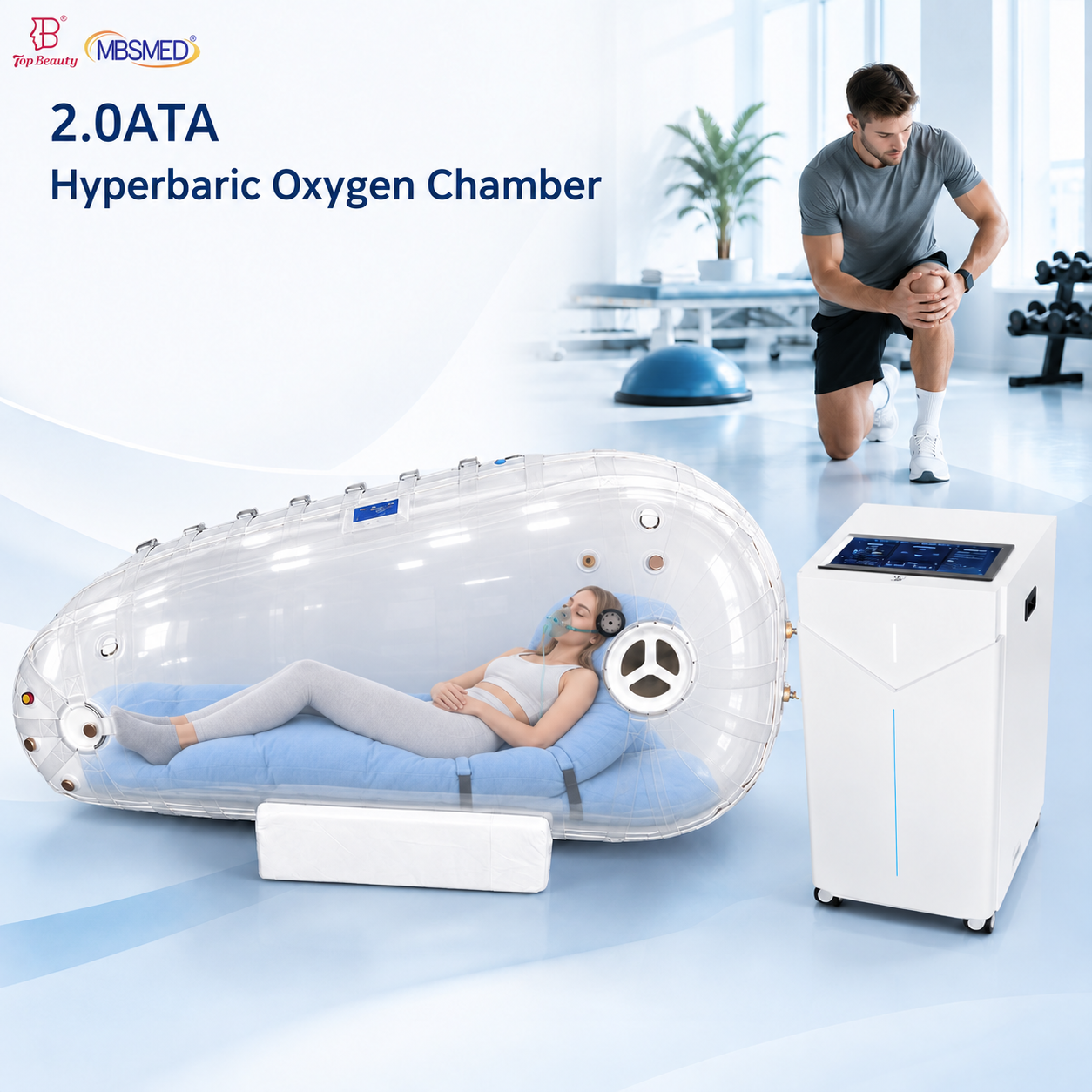

Hyperbaric Oxygen Therapy (HBOT) involves breathing oxygen inside a specially designed chamber where atmospheric pressure is increased above normal levels.
At 2.0 ATA (Atmospheres Absolute), the chamber operates at twice the normal atmospheric pressure at sea level.
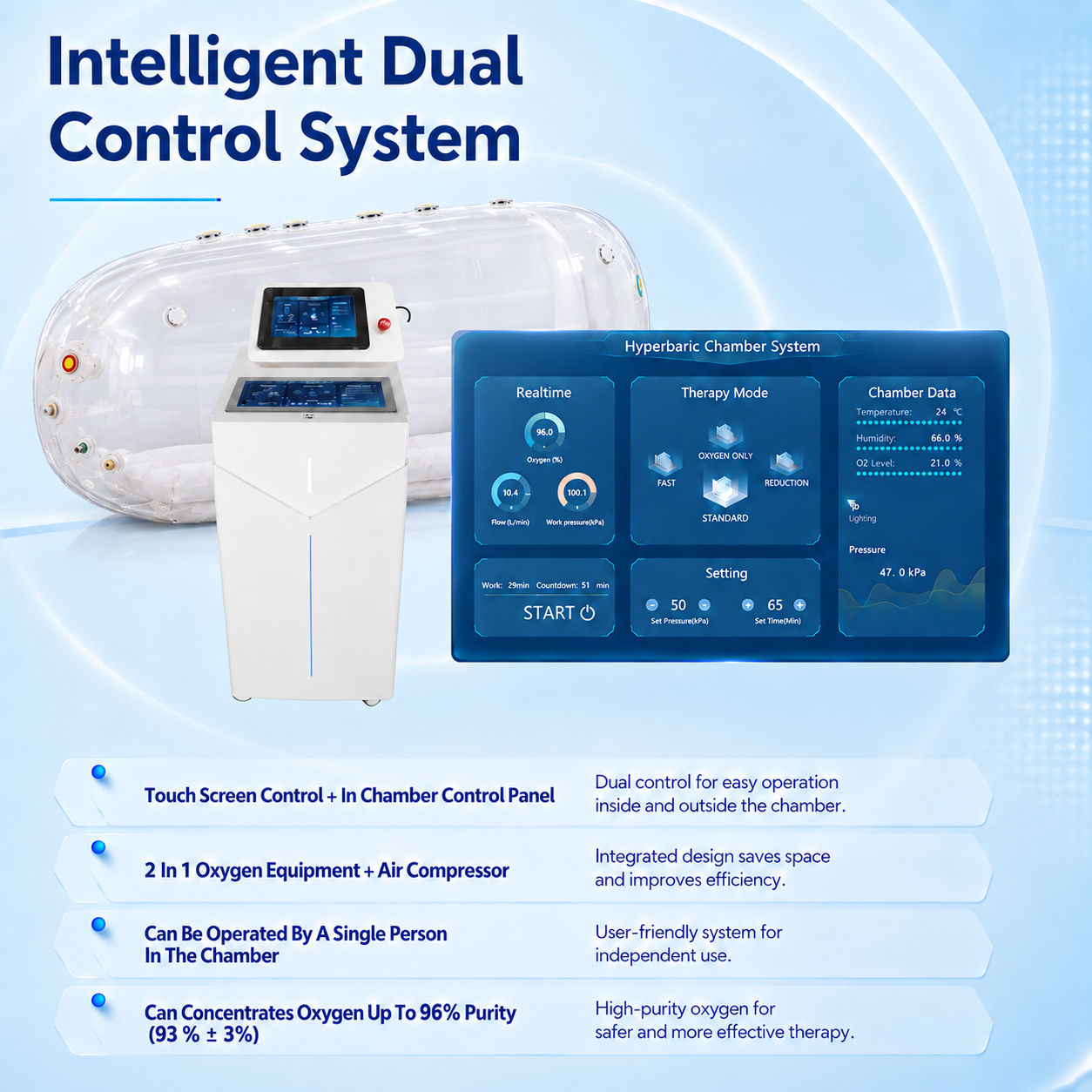
Under increased pressure, breathing high-concentration oxygen raises the amount of oxygen dissolved in blood plasma, helping oxygen reach tissues where circulation and oxygen delivery may be compromised.
This process follows Henry's Law: the amount of gas dissolved in a liquid increases as the partial pressure of that gas increases.
The therapy process involves three key stages:
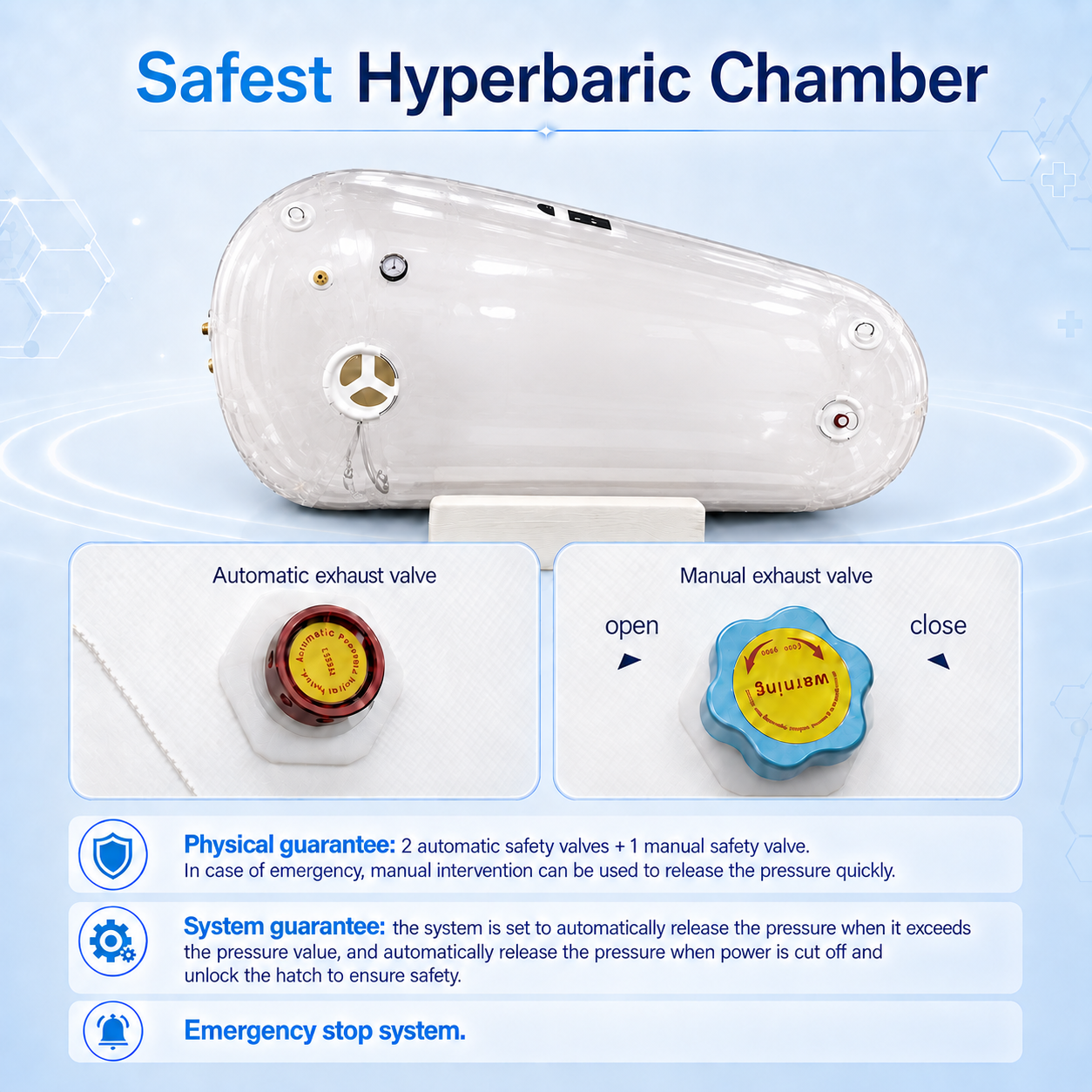
Controlled Pressurization: The chamber gradually increases pressure to the prescribed treatment level, up to 2.0 ATA.
Enhanced Oxygen Dissolution: Breathing medical-grade oxygen under pressure increases dissolved oxygen in the bloodstream.
Controlled Decompression: Pressure is gradually returned to normal following the treatment protocol.
The therapeutic effect depends on both chamber pressure and the concentration of oxygen actually delivered to the patient.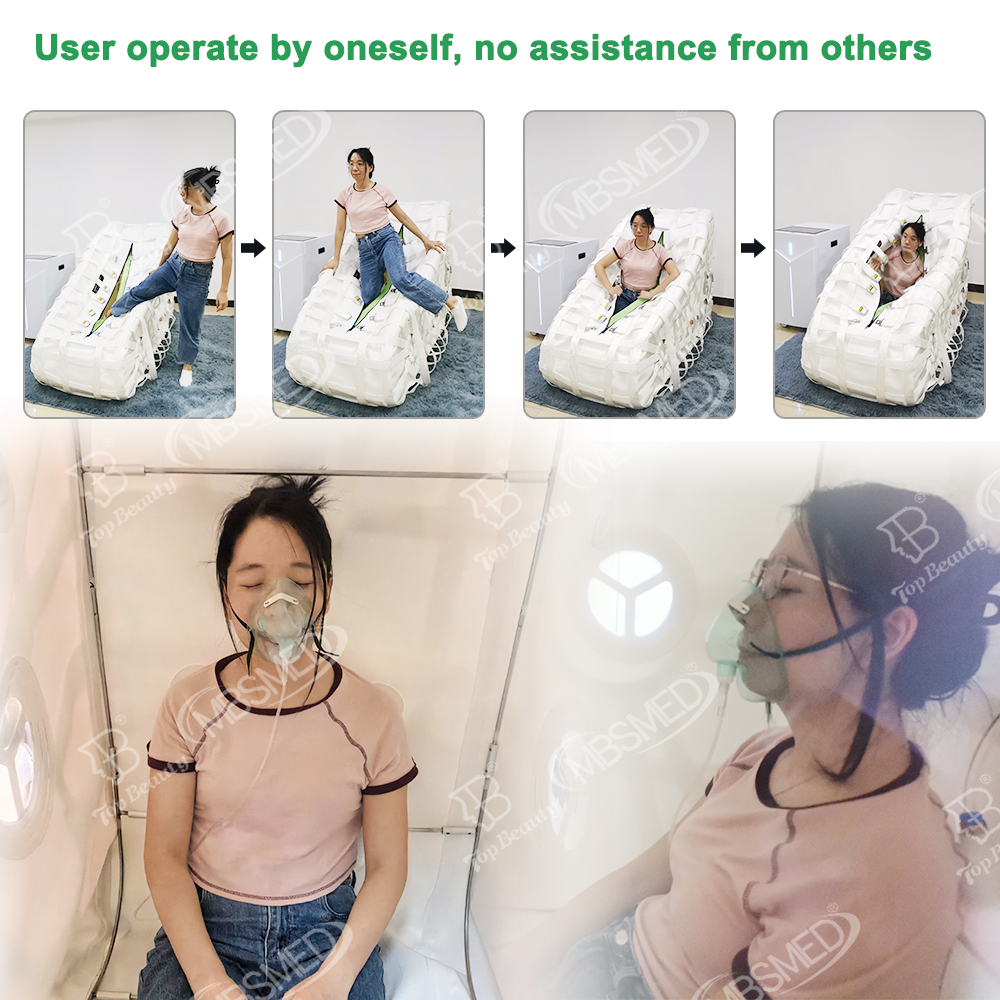
1. Professional 2.0 ATA Hyperbaric Pressure
Operating at up to 2.0 ATA, the chamber provides a higher-pressure treatment environment than typical 1.3 ATA wellness chambers, supporting protocols that require greater hyperbaric pressure.
2. Enhanced Dissolved Oxygen Delivery
Increased oxygen partial pressure can significantly raise oxygen dissolved in blood plasma, supporting oxygen availability in tissues beyond what is achievable through normal atmospheric oxygen breathing.
3. Pressure and Oxygen Concentration Work Together
Unlike ordinary oxygen inhalation at atmospheric pressure, HBOT combines elevated environmental pressure with oxygen administration to increase the amount of oxygen physically dissolved in plasma.
4. Supports Evidence-Based Hyperbaric Applications
When used with appropriate oxygen delivery and medically supervised protocols, hyperbaric therapy has established applications in selected conditions involving compromised tissue oxygenation, certain non-healing wounds, and radiation-related tissue injury.
5. Controlled Compression and Decompression
A professionally designed hyperbaric system allows pressure changes to be managed gradually, supporting patient comfort and reducing pressure-related risks when operated correctly.
|
Application |
Potential Value |
|---|---|
|
Tissue Oxygenation |
Increases oxygen availability in blood plasma during HBOT |
|
Wound Care Support |
May support healing in selected chronic or difficult-to-heal wounds |
|
Post-Surgical Tissue Recovery |
May be used for specific compromised grafts or flaps under clinical supervision |
|
Radiation Tissue Injury |
Supports selected medically indicated hyperbaric treatment protocols |
|
Inflammation Management |
May influence certain inflammatory responses in specific clinical contexts |
|
Recovery Medicine |
Provides a controlled hyperbaric environment for appropriate recovery protocols |
|
Rehabilitation Support |
May complement medically supervised rehabilitation where HBOT is indicated |
A 2.0 ATA Hyperbaric Chamber offers healthcare facilities an opportunity to expand their treatment portfolio while developing a differentiated, professionally managed hyperbaric service.
1. Expand Professional Service Offerings
Introduce hyperbaric oxygen therapy into eligible wound care, rehabilitation, and specialist treatment programs, subject to applicable regulations and medical supervision.
2. Build Long-Term Treatment Revenue
Many medically indicated HBOT protocols involve multiple sessions, creating opportunities for structured treatment scheduling and recurring service revenue.
3. Differentiate Your Facility
Position your clinic with a higher-pressure hyperbaric solution rather than relying exclusively on lower-pressure wellness chambers.
4. Support Patient Referrals
Develop referral relationships with qualified physicians, wound care specialists, and other healthcare providers for appropriate hyperbaric treatment indications.
5. Improve Equipment Utilization
A well-organized appointment system can support predictable chamber utilization, efficient staffing, and long-term equipment value.
Suitable for medically supervised hyperbaric treatment services and selected clinical indications
Supports specialized programs for eligible non-healing wounds and compromised tissue conditions.
Rehabilitation & Recovery Centers
An option for qualified facilities incorporating physician-prescribed HBOT into multidisciplinary care.
Premium Wellness & Longevity Centers
Potentially suitable for facilities with appropriate medical oversight, equipment certification, and permitted treatment programs. General anti-aging benefits remain unproven.
Q1: What is the difference between a 2.0 ATA hyperbaric chamber and a 1.3 ATA chamber?
A 2.0 ATA chamber operates at twice normal sea-level atmospheric pressure, while a 1.3 ATA chamber operates at 1.3 times atmospheric pressure. The higher pressure can increase oxygen partial pressure and dissolved oxygen levels when appropriate oxygen is administered. However, chamber pressure alone does not establish clinical HBOT equivalence.
Q2: How long does a typical hyperbaric oxygen therapy session last?
Clinical HBOT sessions commonly involve approximately 90–120 minutes of oxygen breathing at pressure. Total appointment time may be longer because of compression, decompression, and preparation. Duration and pressure must follow a prescribed treatment protocol.
Q3: Does a 2.0 ATA chamber deliver 100% oxygen?
Not necessarily. The chamber's pressure rating and the oxygen concentration delivered to the patient are separate specifications. Depending on chamber design, medical-grade oxygen may be supplied through a mask, hood, or an approved oxygen-pressurized system. Buyers should verify the actual oxygen delivery method and concentration.
Q4: Who is suitable for hyperbaric oxygen therapy?
HBOT may be prescribed for selected medical conditions, including certain difficult-to-heal wounds, radiation-related injuries, and compromised grafts or flaps. A qualified physician must assess suitability, including contraindications such as untreated pneumothorax, and determine the appropriate treatment protocol.


